
TRAVELMEXICO
Merida: The Complete Destination Guide
The colonial capital of the Yucatan, and the smartest base for cenotes, ruins and day trips.
The short answer
The best things to do in Merida Mexico center on Plaza Grande, the mansions of Paseo de Montejo, the city markets and museums, and easy day trips to cenotes and Maya ruins. Merida is known as one of Mexico's safest cities, and the cooler, drier months run from November to March.
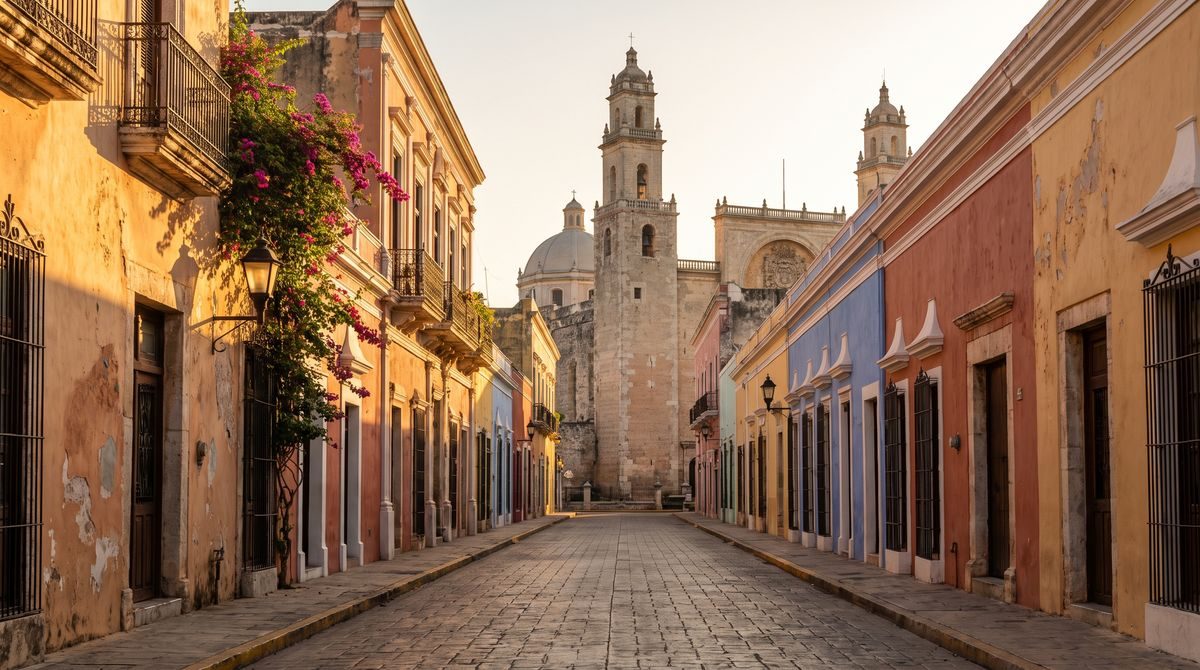
Merida is the cultural capital of the Yucatan Peninsula: a low colonial city of pastel facades and shaded plazas, with the deepest concentration of Maya heritage in the country within an easy drive. The pace is the point. Mornings belong to the markets, evenings to Plaza Grande when the music starts and families come out.
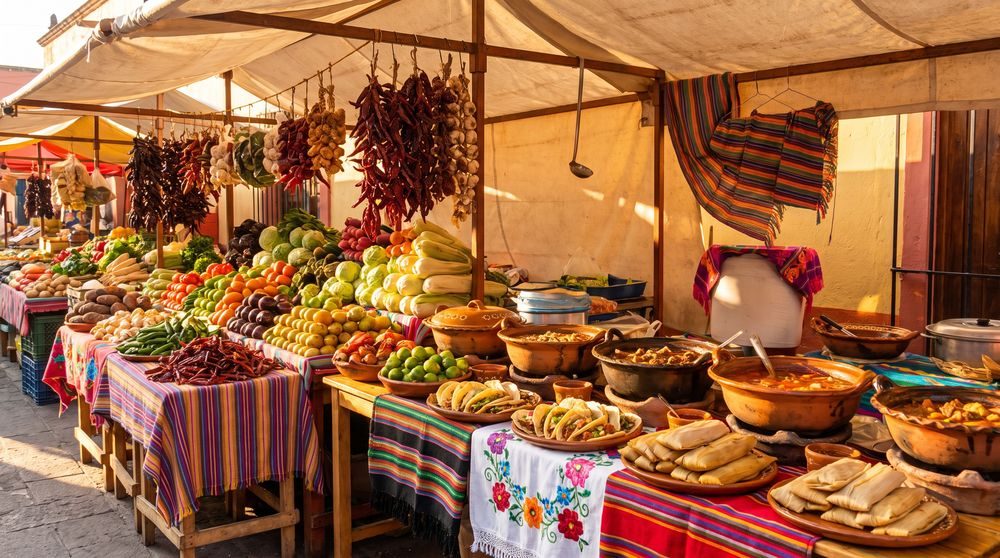
The things to do in Merida Mexico that stay with people are often small: a free folk dance in the main square, cochinita pibil from a market stall, a swim in a cenote before lunch. Fly into Merida's airport or drive about 3.5 to 4 hours west from Cancun; frequent ADO buses cover the same route. Give the city two nights on its own, or four if you want it as a base for the coast, the ruins and the cenotes.
Top things to do in Merida
Start at Plaza Grande, the shaded main square framed by the twin-towered cathedral, one of the oldest on the American mainland, and the Casa de Montejo. The plaza is the social heart of the city, with confidente love-seats under the trees and free cultural events most nights of the week. Sunday is the highlight, when the surrounding streets close to traffic for Merida en Domingo, filling with market stalls, live music and dancing.
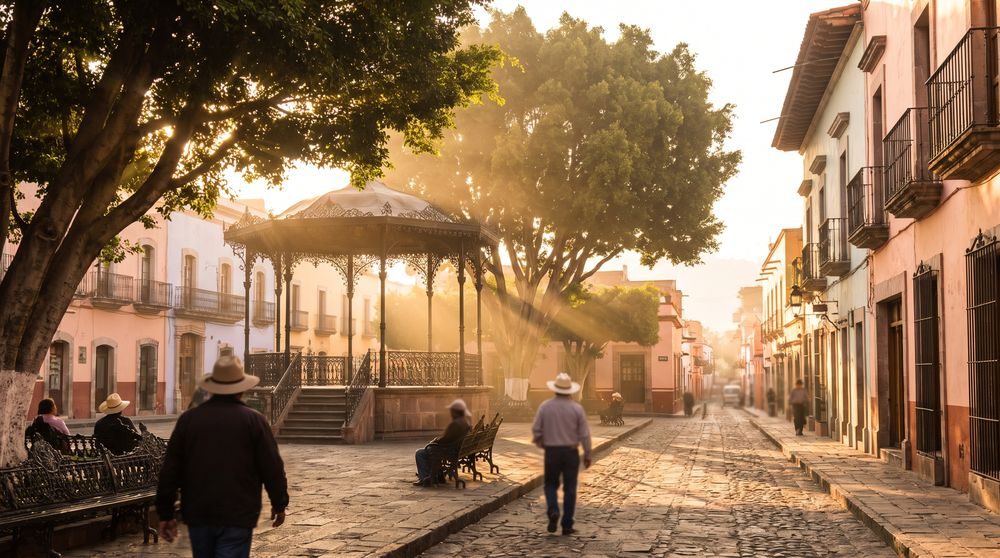
From the plaza, walk or take a horse carriage up Paseo de Montejo, the grand tree-lined avenue modeled on European boulevards and lined with the mansions built during the henequen boom. Several are now museums and cafes, and the avenue is home to the excellent Gran Museo del Mundo Maya, which lays out the region's Maya history and is the ideal primer before visiting the ruins. For markets, the sprawling Lucas de Galvez is the city's largest and most authentic, best in the morning, while Santa Lucia and Santiago are smaller, atmospheric plazas known for evening food and music.
A quick hit list
Cathedral, Casa de Montejo, and free nightly cultural events.
Grand avenue of mansions and the Gran Museo del Mundo Maya.
Lucas de Galvez for the full local experience; Santa Lucia for evenings.
Maya history, regional art, and the palacio murals off the main square.
Is Merida safe?
Merida is widely regarded as one of the safest cities in Mexico, and it consistently ranks among the safest large cities in the Americas. Petty issues can happen anywhere, so the usual sense applies: watch your belongings in crowded markets, use registered taxis or ride apps, and keep an eye on your things at night. But most visitors find the historic center comfortable to walk, including in the evenings when the plazas are busiest. Its reputation for safety is a big part of why Merida has become a magnet for long-stay travelers and remote workers.
Best time to visit Merida
The best time to visit Merida is the cooler, drier stretch from November to March, when daytime heat is manageable and rain is uncommon. This is peak season for a reason, so book lodging ahead around the December holidays. April and May are the hottest months, with intense midday heat that pushes sightseeing to early morning and evening. The summer and early fall bring higher humidity and the chance of afternoon rain, though showers are often brief. Whenever you go, plan the outdoor sights for the morning, take a break during the hottest hours, and stay hydrated.
Where to stay in Merida
Choosing where to stay in Merida comes down to two main areas. Centro, the historic core around Plaza Grande, is the most convenient base: you can walk to the cathedral, markets, museums and restaurants, and it has the widest range of boutique hotels set in restored colonial homes. It is lively and central, though some streets can be noisy. For a quieter, more residential feel, the area along and north of Paseo de Montejo offers leafier streets, modern hotels and a wave of stylish cafes, at the cost of needing a short taxi ride into the historic center. Either way, the city is compact enough that you are never far from the action.
Ready to go? Plan and book your Merida stay and Yucatan itinerary with a specialist.
Plan your Merida staySearches and bookings are done through MoreTravel4Less. Opens in a new tab.
Merida vs Cancun: which should you choose?
Merida and Cancun answer two different travel questions. Cancun is a beach-resort destination built around Caribbean sand, big hotels and nightlife on the coast. Merida is an inland colonial city built around culture, history, food and daily local life, with no beach of its own. If your priority is lying on the sand with everything handled, Cancun delivers that. If you want to experience real Yucatecan culture, walk historic streets, eat well and use one city as a base for ruins and cenotes, Merida is the stronger pick. Many travelers do both, flying into Cancun for the coast and then heading west to Merida for the culture. Merida also tends to feel more affordable and more relaxed than the resort strip.
Using Merida as a base for Yucatan day trips
Merida's biggest advantage is location. It is the natural hub of the Yucatan, and some of the peninsula's best-known sights sit within an easy drive. Spend 4 days in Merida and you can comfortably fold in several of these:
Renting a car gives you the most freedom for these, especially the ruins and cenotes that are hard to reach by bus, though ADO buses and organized tours cover the headline sights like Chichen Itza and Uxmal. A common plan is to base in Merida, take a coast day to Progreso or Celestun, dedicate one day to ruins, and keep another for the cenotes and a colonial town such as Izamal or Valladolid.
Good to know
How many days do you need in Merida?
Two nights covers the city center itself. Plan 4 days in Merida if you want to use it as a base for day trips to the coast, cenotes and Maya ruins.
Does Merida have a beach?
Not in the city. The nearest coast is Progreso, a Gulf-side beach town about 45 minutes north, which makes an easy half-day or full-day trip.
Is it easy to get to Merida from Cancun?
Yes. It is roughly a 3.5 to 4 hour drive west, and frequent long-distance ADO buses run between Cancun, Valladolid and Merida. Merida also has its own international airport.
Do you need to speak Spanish in Merida?
It helps, and locals appreciate the effort, but you can get by in the tourist areas, hotels and main restaurants with basic phrases and some English.
Plan your trip to Merida and the Yucatan
Know it, plan it, book it, with Mexico travel specialists.
Book your Yucatan tripSearches and bookings are done through MoreTravel4Less. Opens in a new tab.
Mexico is waiting in full color.
Find the destination, hotel, experience, or famous place that turns curiosity into a real itinerary.
Inspiration first. Plan when you are ready.