
TRAVELMEXICO
Mexico City: The Complete Destination Guide
Top sights, the best neighborhoods to stay, real safety advice, when to go, and a 3-day plan.
The short answer
The top things to do in Mexico City are the Zocalo and Templo Mayor, the Museo Nacional de Antropologia, Chapultepec Park, Frida Kahlo's Casa Azul in Coyoacan, and the canals of Xochimilco. Base yourself in Roma, Condesa, or the historic Centro and give it at least three full days.
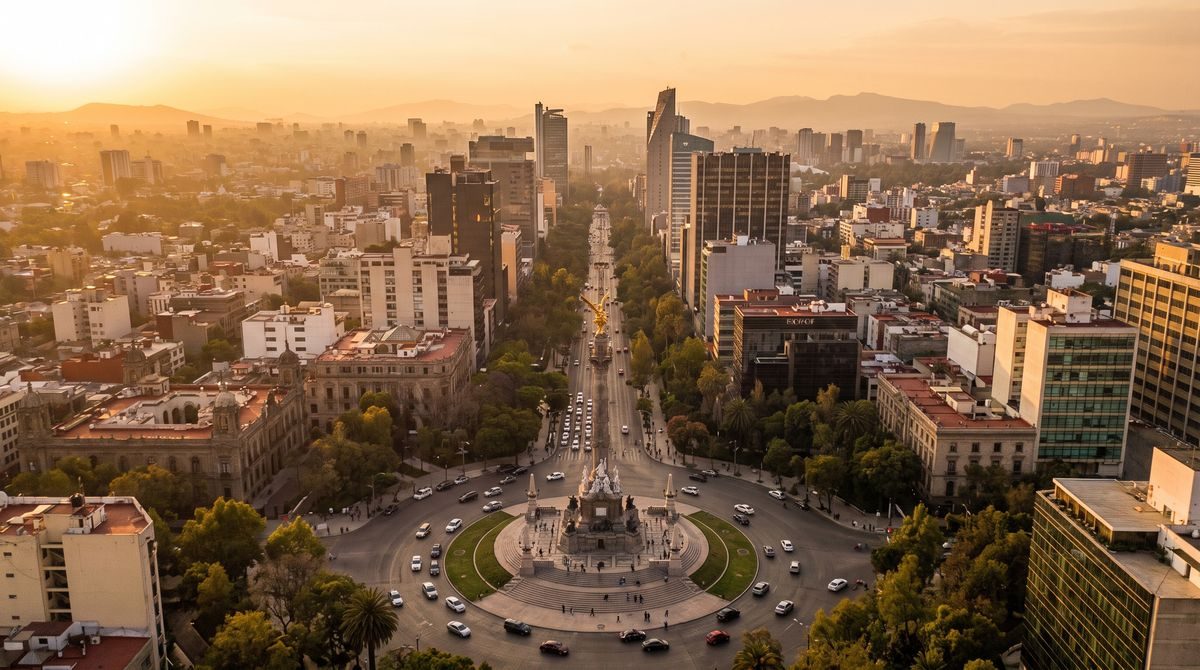
Mexico City is one of the largest and oldest capitals in the Americas, built over the ruins of Aztec Tenochtitlan at roughly 7,350 feet. The altitude is the first thing to plan around: take the first afternoon slowly, drink more water than usual and save the long walks for day two.
The best things to do in Mexico City sit in a handful of districts, so plan by neighborhood instead of zigzagging across the metropolis. The Centro Historico holds the Zocalo, the cathedral and the Templo Mayor. Chapultepec holds the anthropology museum and the castle. Coyoacan holds the Casa Azul, and Xochimilco sits on the southern edge. Where you sleep decides how much of this you see, which is why the neighborhood section below comes before the itinerary.
| At a glance | Details |
|---|---|
| Getting there | Mexico City International Airport (MEX) and the newer Felipe Angeles (NLU) serve the capital; direct flights from many US and international hubs |
| Time needed | 3 to 4 full days for the city itself, more if you add day trips |
| Best time to visit | Dry season, roughly November to April; March to May is warmest |
| Good for | Museums, food, history, architecture, walkable neighborhoods, day trips |
Top things to do in Mexico City
Anchor your sightseeing in the Centro Historico, a UNESCO World Heritage site. The Zocalo, officially the Plaza de la Constitucion, is one of the largest public squares in the world, flanked by the Metropolitan Cathedral and the National Palace, where you can see Diego Rivera's sweeping murals of Mexican history. Just off the square are the excavated ruins of the Templo Mayor, the main temple of Aztec Tenochtitlan, with an on-site museum.
The Museo Nacional de Antropologia in Chapultepec Park is a must, home to the Aztec Sun Stone and vast collections spanning Mexico's pre-Hispanic cultures. Plan two to three hours at least. Elsewhere in the park you will find Chapultepec Castle, the only royal castle in North America, with city views and the National History Museum inside.
For art and atmosphere, the Palacio de Bellas Artes is a landmark concert hall and museum with more grand murals, and the surrounding Alameda Central is a pleasant place to walk. In the south, the Coyoacan neighborhood is home to the Casa Azul, Frida Kahlo's cobalt-blue former home turned museum. Buy timed tickets online in advance, as it sells out. Nearby, the floating gardens and canals of Xochimilco are best enjoyed on a colorful trajinera boat.
Best neighborhoods in Mexico City and where to stay
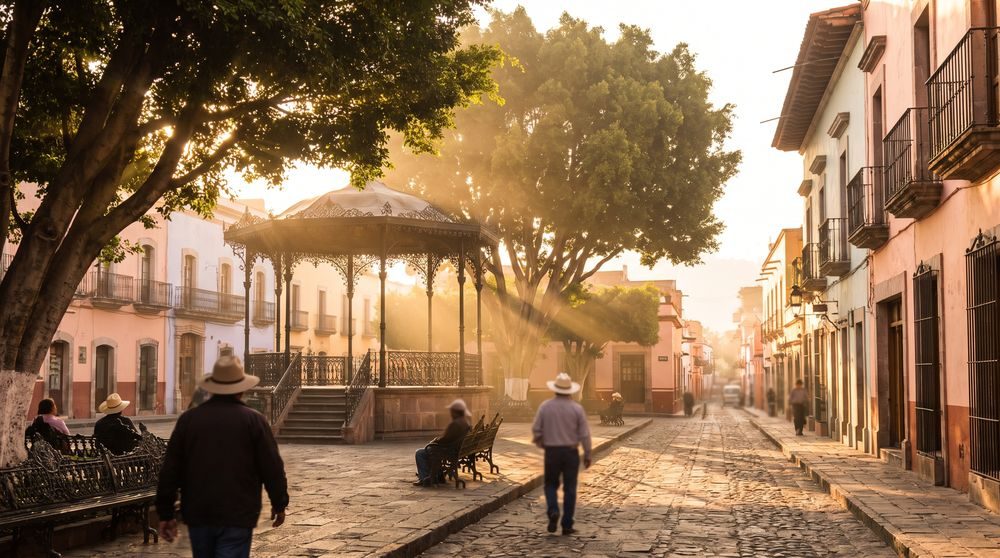
Where to stay in Mexico City comes down to four central areas, each with a distinct feel. Picking the right base keeps your days efficient and your evenings walkable.
Tree-lined streets, cafes, galleries, and independent restaurants. Central, walkable, and popular with first-time visitors who want atmosphere and easy dining.
Adjacent to Roma, built around leafy parks like Parque Mexico. Relaxed, green, and full of bistros and bars. A favorite for a calm home base.
In the thick of the landmarks, from the Zocalo to Bellas Artes. Great for history-focused trips; busier and more commercial, quieter at night.
Upscale and leafy, near Chapultepec Park and the anthropology museum, with high-end hotels, shopping, and fine dining. Quieter and more residential.
Roma and Condesa are the sweet spot for most travelers who want to walk to dinner and reach the sights easily. Choose Centro if museums and monuments are your priority, or Polanco if you want a more polished, low-key stay near the park.
Is Mexico City safe?
Is Mexico City safe is the question almost every visitor asks. Millions of tourists visit each year without incident, and it is a huge city where normal big-city caution applies. Tourist-friendly neighborhoods like Roma, Condesa, Polanco, Coyoacan, and the main parts of the Centro Historico are generally comfortable to explore, especially by day.
Practical habits go a long way. Use registered taxis from official airport stands or ride-hail apps rather than hailing on the street, keep valuables out of sight, stay aware on crowded transit, and favor well-lit, busy streets at night. Petty theft and pickpocketing are the most common issues, so pack light and keep your phone secure. For a deeper look, see our dedicated guide on whether Mexico City is safe. Altitude is worth noting too: at over 7,000 feet, take your first day slower and drink plenty of water.
Best time to visit Mexico City
The best time to visit Mexico City is generally the dry season from November to April, when you get plenty of sunny days and comfortable temperatures thanks to the high-altitude climate. The rainy season runs roughly May or June through September or October, when afternoon showers are common, though they often pass quickly and mornings can still be clear.
Spring, around March to May, tends to be the warmest and driest stretch. The city also shines around cultural moments: the Day of the Dead season in late October and early November brings parades and elaborate ofrendas, and mid-September carries Independence Day celebrations around the Zocalo. Book well ahead if you plan to visit during these dates.
A Mexico City itinerary for 3 days
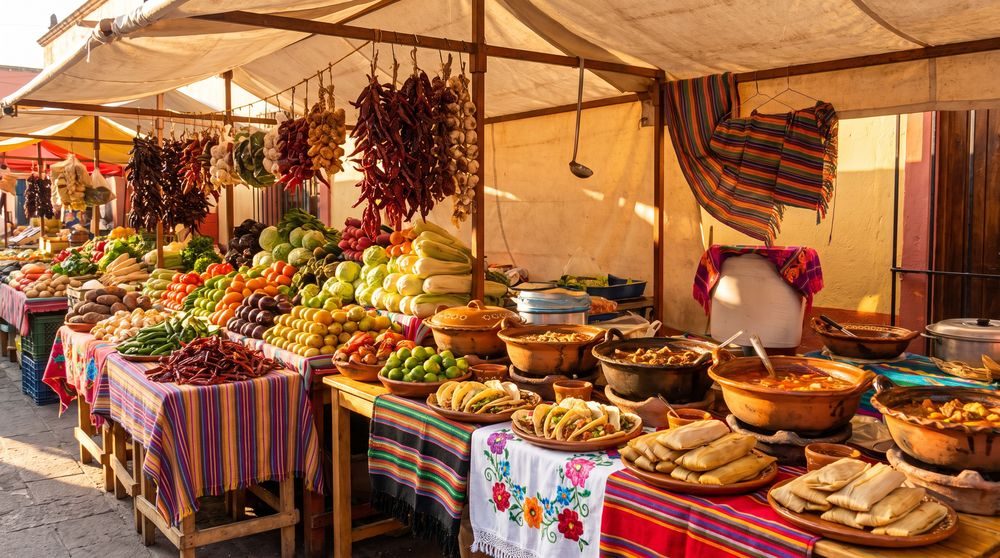
This Mexico City itinerary for 3 days keeps each day within a district or two so you spend time exploring, not commuting across town.
Day 1: Centro Historico
Start at the Zocalo, step into the Metropolitan Cathedral, then see Diego Rivera's murals in the National Palace. Walk to the Templo Mayor ruins and museum, then continue to the Palacio de Bellas Artes and the Alameda Central. Finish with dinner in the historic center or head back toward Roma.
Day 2: Chapultepec and Polanco
Spend the morning at the Museo Nacional de Antropologia, then walk up to Chapultepec Castle for city views. In the afternoon, stroll Polanco or relax in the park. This pairs the city's best museum with its greenest space.
Day 3: Coyoacan and Xochimilco
Book timed tickets for Frida Kahlo's Casa Azul in Coyoacan, then wander the neighborhood's markets and plazas. In the afternoon, ride a trajinera through the canals of Xochimilco. If you would rather escape the city, swap this day for the ruins of Teotihuacan and its Pyramids of the Sun and Moon.
Getting around Mexico City
Mexico City is large, but getting around is straightforward. The Metro is extensive and inexpensive, and the Metrobus bus rapid transit fills in useful routes; both can be crowded at peak times. For door-to-door trips, ride-hail apps are widely used and convenient. Within a neighborhood like Roma, Condesa, or Coyoacan, walking is the best way to soak up the atmosphere. Fares and card systems can change, so check current rates and buy a rechargeable transit card on arrival.
Ready to go? Plan and book your Mexico City trip with a specialist.
Plan your Mexico City staySearches and bookings are done through MoreTravel4Less. Opens in a new tab.
Keep going: day trips and neighborhoods
Common questions
How many days do you need in Mexico City?
Three to four full days is a good baseline for the city itself, covering the Centro Historico, Chapultepec and the anthropology museum, and Coyoacan with Xochimilco. Add extra days if you want day trips to Teotihuacan or nearby towns.
What is the altitude in Mexico City?
The city sits at roughly 7,350 feet above sea level. Take your first day at an easy pace, stay hydrated, and go slower on stairs and hills until you adjust.
Do I need to speak Spanish?
It helps and is appreciated, but you can get by with basic phrases in tourist areas, restaurants, and hotels. Learning a few words goes a long way with locals.
Plan your Mexico City trip with a specialist
Know it, plan it, book it, with Mexico travel specialists.
Talk to a Mexico City specialistSearches and bookings are done through MoreTravel4Less. Opens in a new tab.
Mexico is waiting in full color.
Find the destination, hotel, experience, or famous place that turns curiosity into a real itinerary.
Inspiration first. Plan when you are ready.