
Tulum
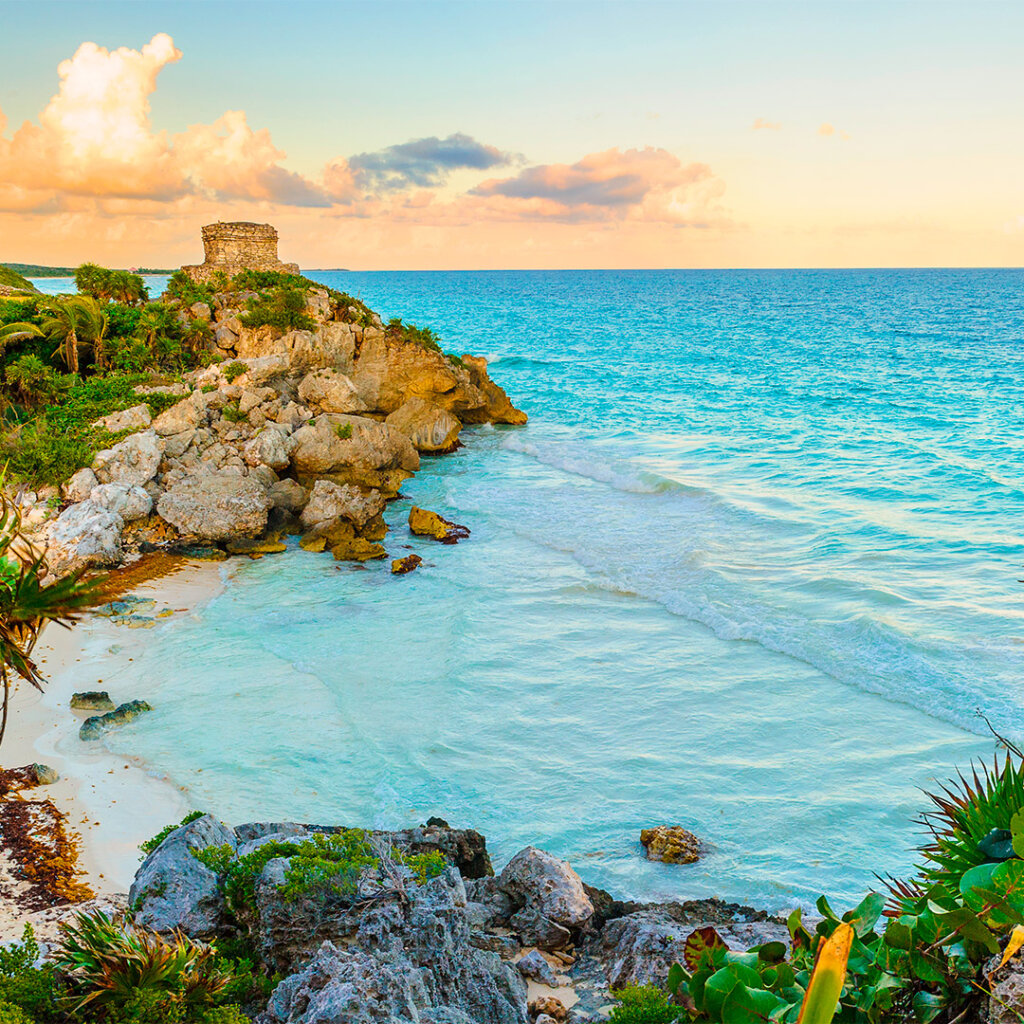
An important port for Maya traders in the thirteenth century, Tulum combines archaeological heritage with a Caribbean coastal setting. It is also a starting point for exploring nearby cenotes, lagoons and archaeological sites.
Explore the guide ↓Maya history by the sea
An important port for Maya traders in the thirteenth century, Tulum combines archaeological heritage with a Caribbean coastal setting. It is also a starting point for exploring nearby cenotes, lagoons and archaeological sites.
Beach days
Tulum's beaches extend towards the Sian Ka’an Biosphere Reserve. The destination includes the archaeological area, the town centre known as El Pueblo, and the northern and southern hotel zones.
The northern coast offers broad stretches of sand, while the southern hotel zone has a livelier mix of beach clubs, hotels and restaurants, some featuring DJs.
Find your next stop.
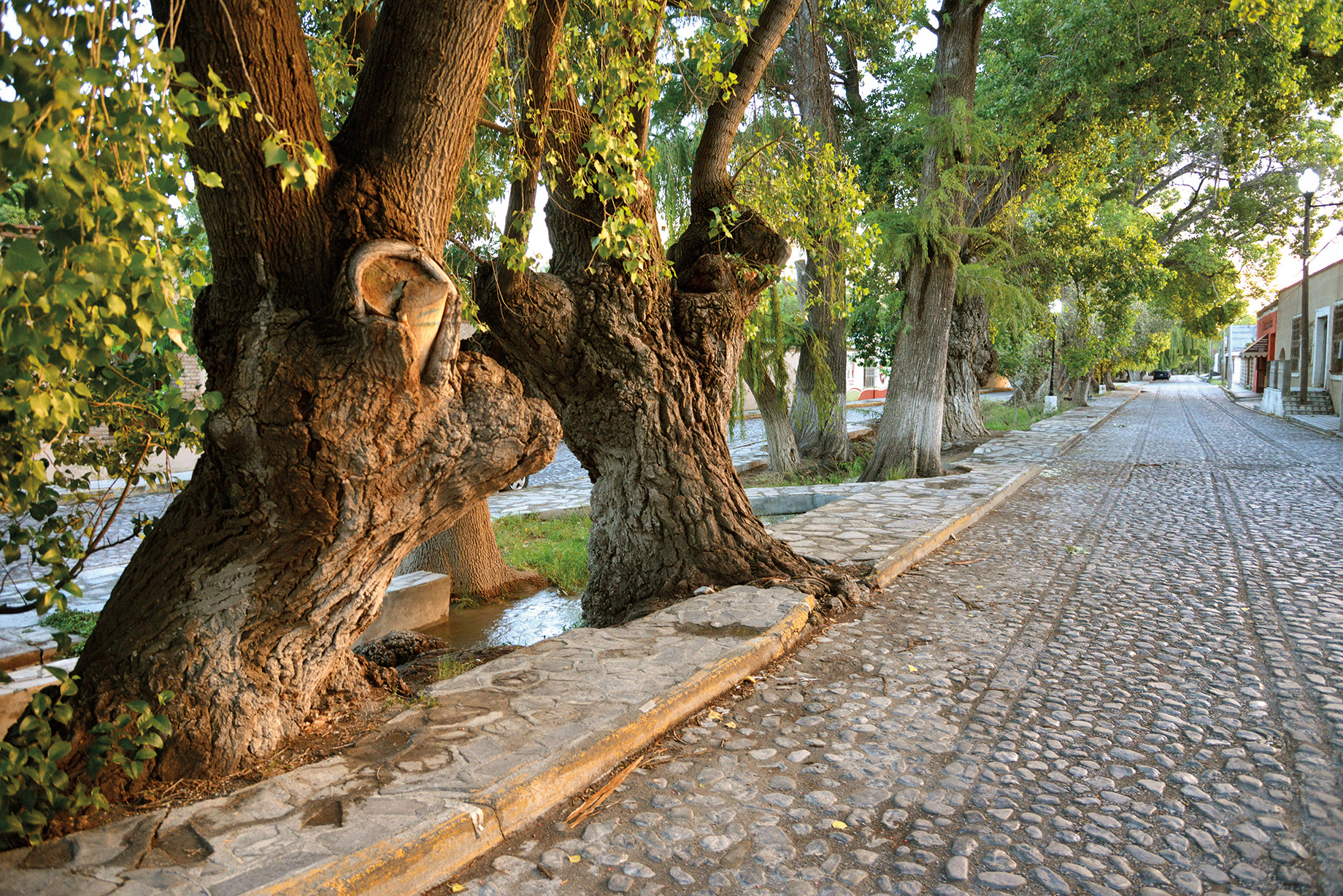 ↗
↗Arteaga
A beautiful “Pueblo Mágico”, it is considered the Suiza of México; has an area full of pine trees and Apple trees.
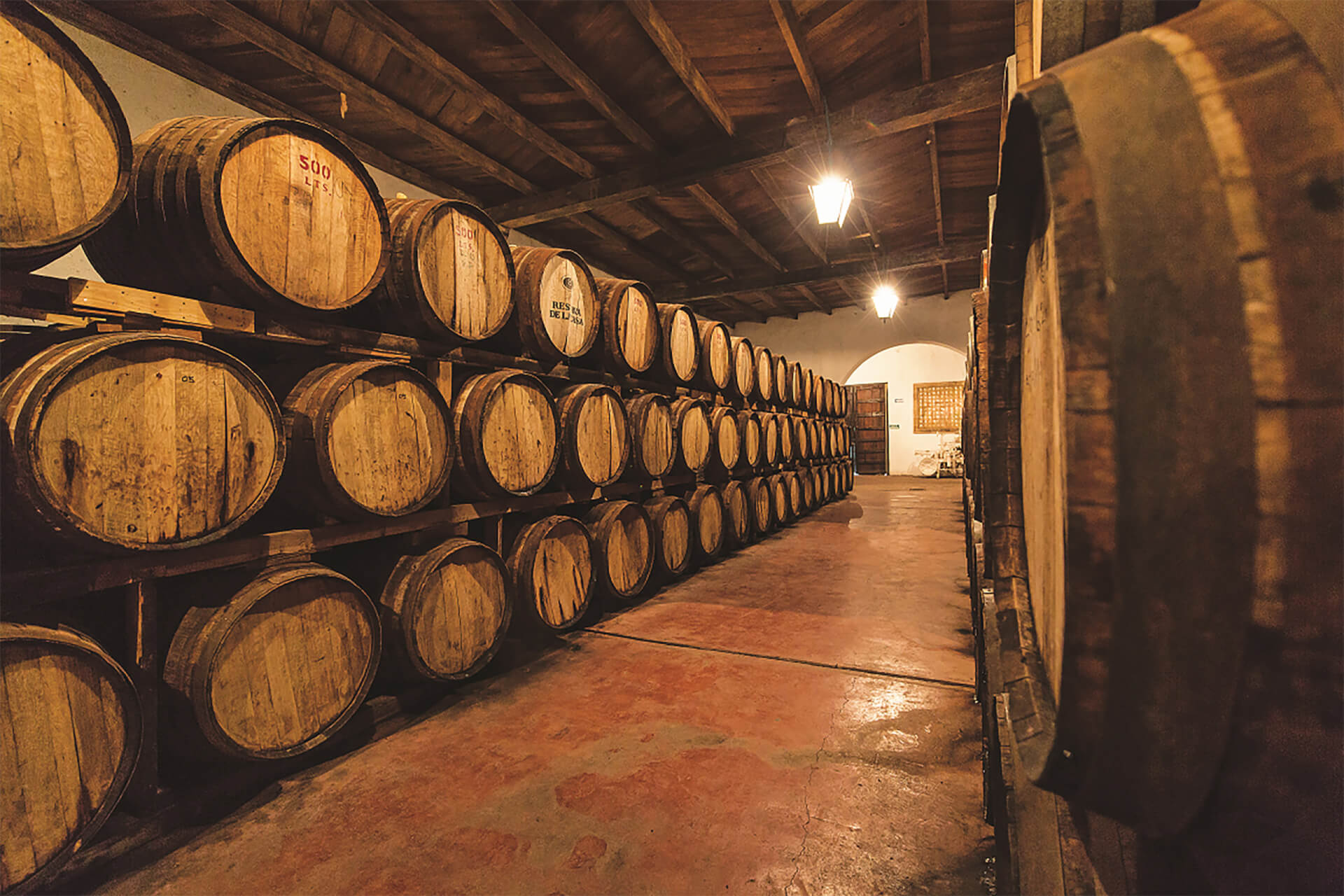 ↗
↗Parras
This place is recognized for the very important culture winegrowing.
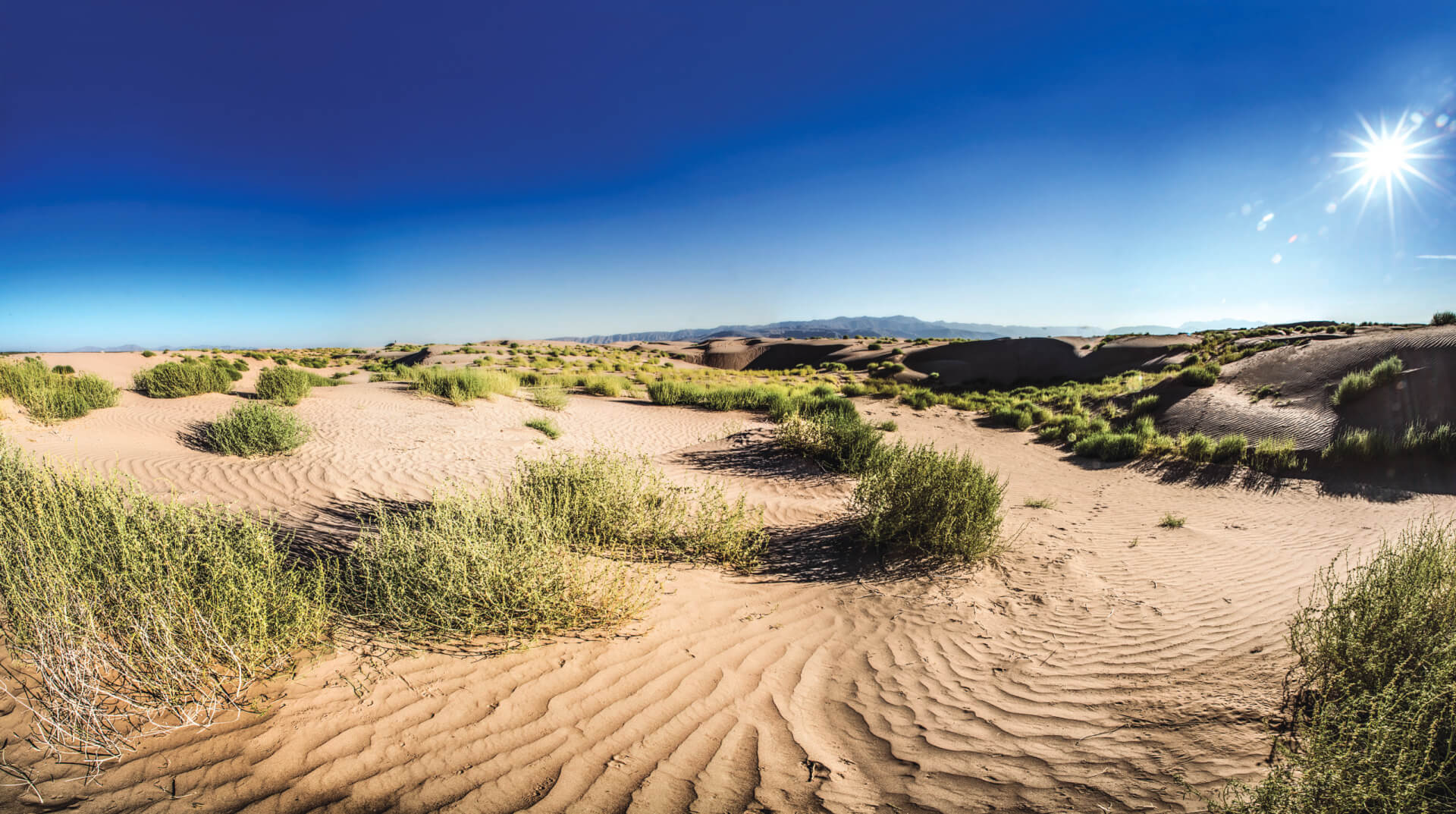 ↗
↗Viesca
The Dunes of Bilbao in the “Pueblo Mágico” of Viesca have a surface of 12.4 miles.
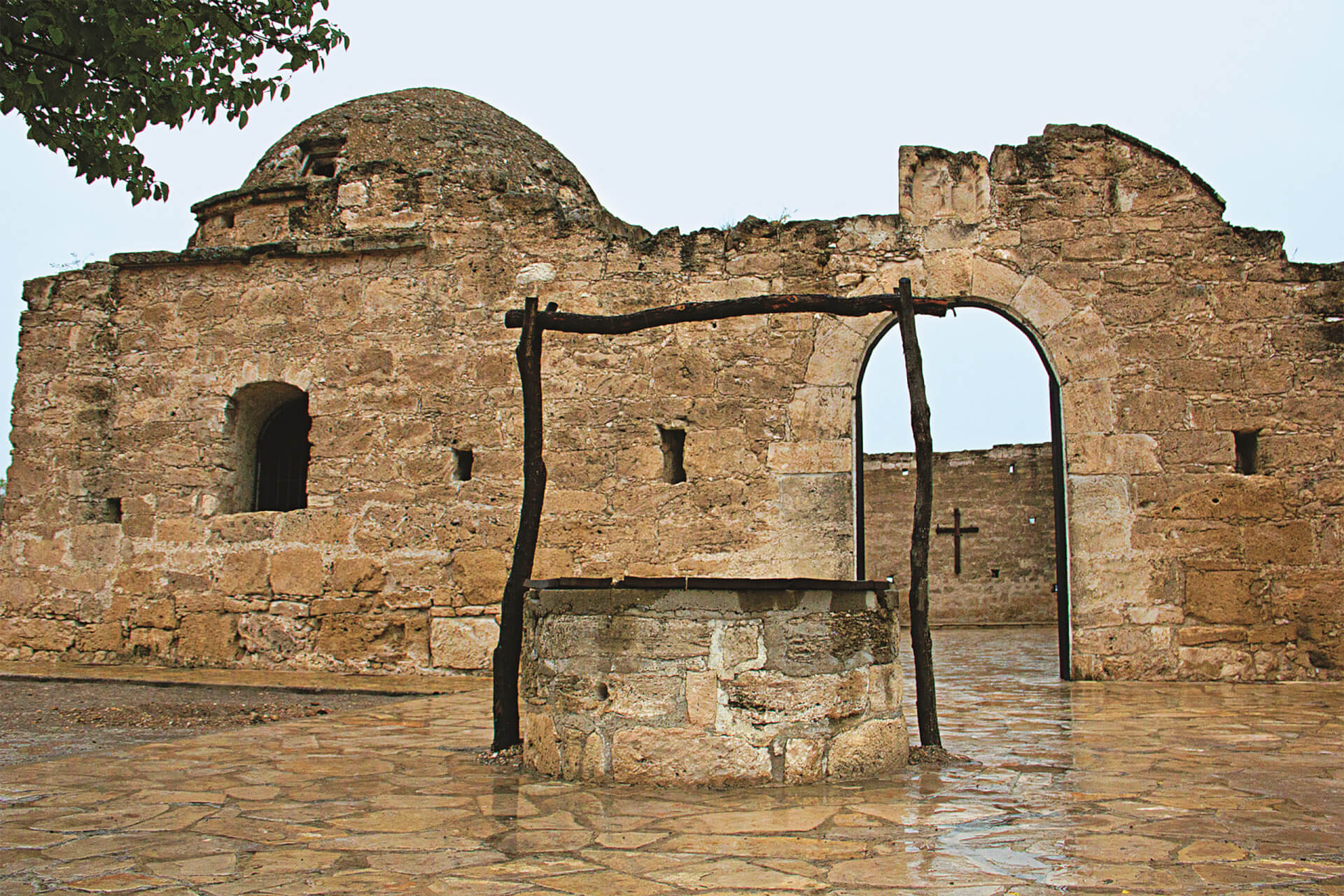 ↗
↗Guerrero
The “Mission of San Bernardo”, last testimone of the africans misions that colonized the north of México, it’s localizaded in the shore of the “Pueblo Mágico” of Guerrero.
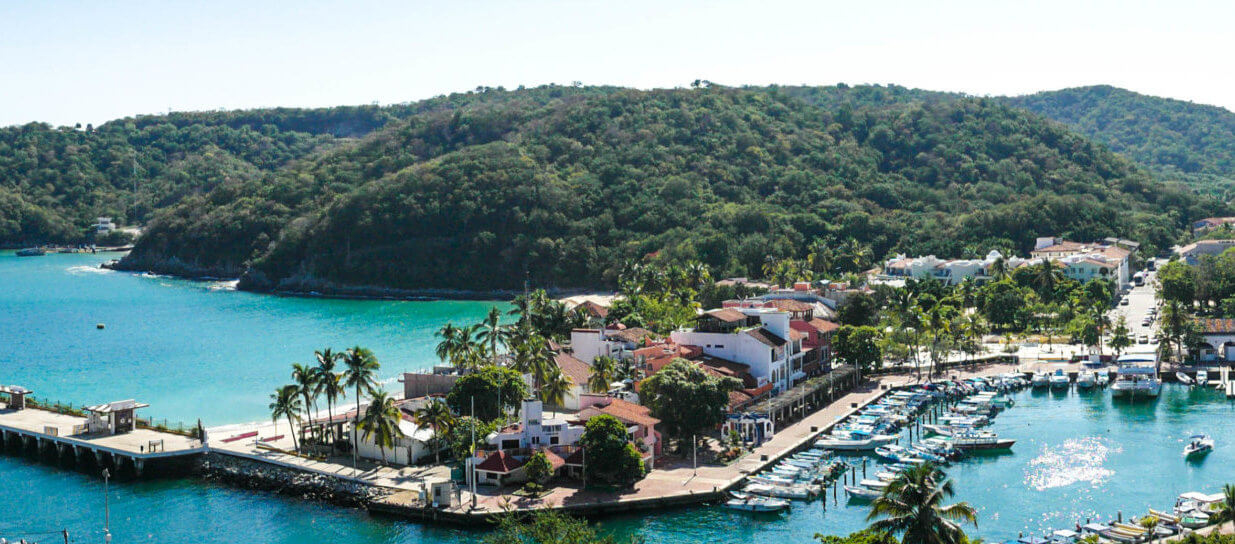 ↗
↗Bahías de huatulco
The tourist activity in Huatulco, from the beginning has been focused on sustainability.