
TRAVELMEXICO
Valladolid: The Complete Destination Guide
A colorful colonial Pueblo Magico in the heart of Yucatan, and the closest base for Chichen Itza.
The short answer
The top things to do in Valladolid Mexico are strolling the pastel Calzada de los Frailes, visiting the cathedral and Casa de los Venados, and cooling off in cenotes like Zaci, Suytun, and Oxman. It is also the closest town to Chichen Itza, about 45 minutes away.
Valladolid is a small colonial city in the middle of the Yucatan Peninsula, roughly two hours from both Cancun and Merida by car or ADO bus. It has become the quiet-favorite base for travelers who want cenotes, pastel streets and Chichen Itza at opening time without the crowds of the coast.
Most of the things to do in Valladolid Mexico are within a walk of the main square, and the two famous swimming holes, Zaci and Suytun, are in town or minutes from it. Two or three nights is enough to see the town, swim a few cenotes and reach Chichen Itza before the tour buses arrive from the coast.
Things to do in Valladolid
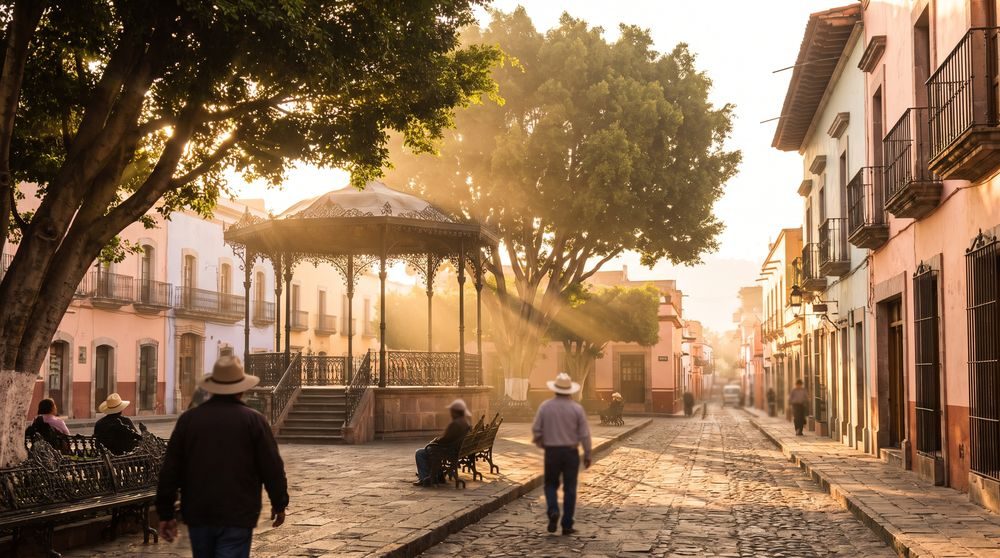
Start where everyone starts: the main square, Parque Francisco Canton Rosado, framed by the Cathedral of San Servacio. The cathedral dates to the colonial era and its plain, fortress-like front is a good introduction to the town's understated beauty. Around the square you will find benches shaded by trees, the local ice-cream and marquesita stands, and a steady, unhurried rhythm.
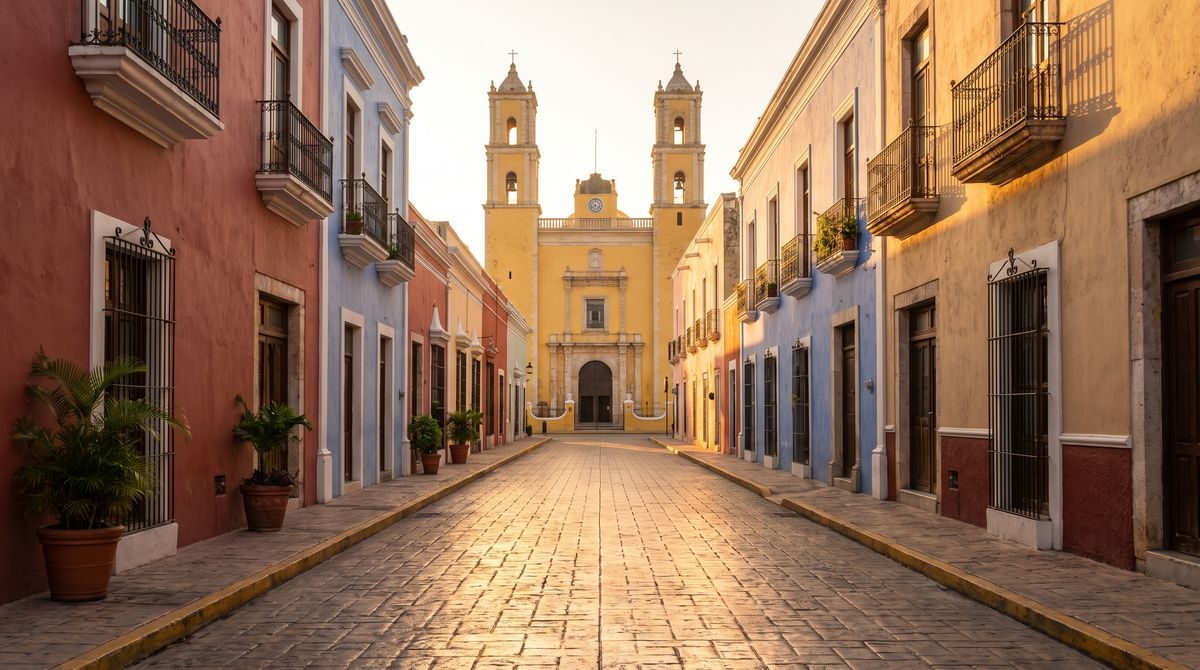
The single most photographed spot is the Calzada de los Frailes, a pedestrian-friendly street of pastel facades that runs toward the Convent of San Bernardino de Siena. Walk it slowly. The convent, one of the oldest in the Yucatan, anchors the far end and often hosts an evening light-and-sound show projected onto its walls. Along the way you will pass small boutiques, mezcal shops, and cafes set inside restored colonial houses.
Do not skip Casa de los Venados, a private home turned museum that holds one of the largest collections of Mexican folk art in the country. It runs a daily guided tour and is one of the most memorable indoor things to do in town. For a sense of local life, the Mercado Municipal is the place for cochinita pibal, fresh fruit, and a cheap breakfast among residents.
Valladolid cenotes
Valladolid cenotes are the reason many travelers build a stop here. A cenote is a natural sinkhole filled with cool, clear groundwater, and the Yucatan has thousands of them. What makes Valladolid special is that you can reach several without a long drive.
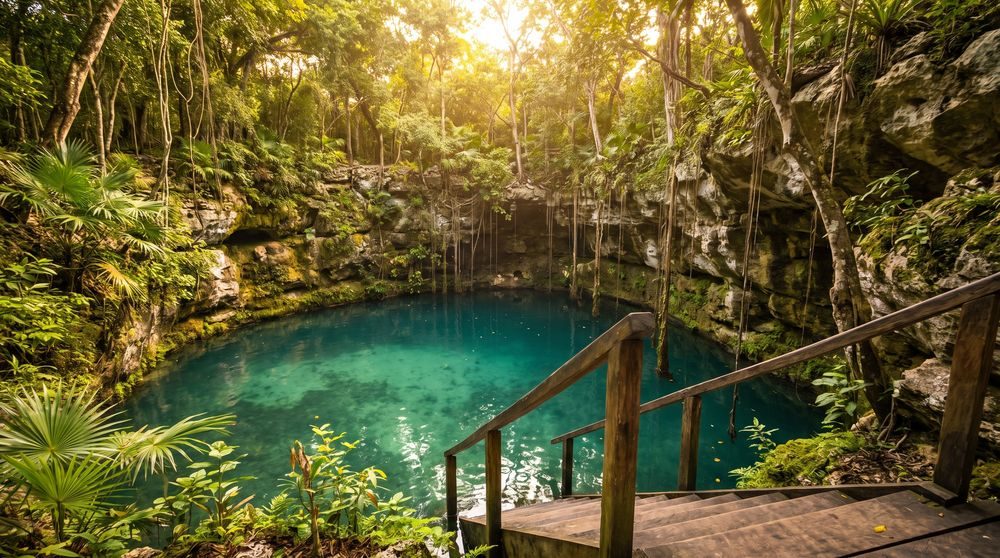
Cenote Zaci sits right in town, a short walk from the square, so you can swim in a dramatic half-open cavern and still be back for lunch. Just outside town, Cenote Suytun is the famous one, known for a stone platform and a beam of light that falls through an opening in the cave roof at midday. Cenote Oxman, at a nearby hacienda, has a hanging-vine cavern and a rope swing and pairs well with a poolside afternoon. Other well-known options in the area include Ik Kil, closer to Chichen Itza, and the twin cenotes at Dzitnup. Bring biodegradable sunscreen or none at all, since many cenotes ask you to rinse off first to protect the water. For the full regional picture, see our guide to the best cenotes in Yucatan.
Ready to go? Plan and book your Mexico trip with a specialist.
Plan your Valladolid staySearches and bookings are done through MoreTravel4Less. Opens in a new tab.
Chichen Itza from Valladolid
Valladolid is the closest town to Chichen Itza, which is its biggest logistical advantage. The drive is about 45 minutes, so you can reach the site not long after it opens and walk the grounds before the tour buses arrive from Cancun and the Riviera Maya. That early window is the real prize: cooler temperatures, softer light on El Castillo, and far fewer people.
You can get there by rental car, by second-class bus (colectivos and local buses run along the highway), or on an organized tour. If you want the site to yourself, aim to be at the gate at opening and pair the morning with a cenote swim on the way back. Our full Chichen Itza guide covers tickets, timing, and what to see once you are inside. Valladolid also puts you within reach of other sites in the region if you plan a wider loop.
Where to stay in Valladolid
The question of where to stay in Valladolid mostly comes down to how close you want to be to the main square. Staying within a few blocks of the cathedral means you can walk to restaurants, the market, Cenote Zaci, and the Calzada de los Frailes without transport, which is the appeal for most first-time visitors.
The town has a good spread of restored colonial hotels, small boutique stays, and family-run guesthouses set around leafy courtyards, plus a handful of haciendas on the outskirts for a quieter, resort-style feel with a pool. If you plan early Chichen Itza mornings or a lot of cenote hopping, a central base with easy parking or a nearby bus stop saves the most time. Book ahead for the November to March high season, when the best-located rooms fill first.
Travelers deciding between Valladolid and Merida usually end up doing both: Merida for the big city, museums and the western ruins, Valladolid for cenotes, Chichen Itza at opening and a slower pace. Two or three nights here and three or four there is a comfortable week.
Best time to visit Valladolid
The best time to visit Valladolid is the dry season, roughly November through March, when days are warm, not hot and humidity is lower. This is the most comfortable stretch for walking the town, sitting on the square in the evening, and doing early Chichen Itza mornings. It is also the busiest, so book accommodation ahead.
April and May bring the hottest weather before the summer rains, while June to October is the wet and hurricane season, with warm afternoons and short, heavy downpours rather than all-day rain. Cenotes are enjoyable year-round because the water stays cool and the underground sites are sheltered. If you want a balance of good weather and thinner crowds, the shoulder months on either side of winter tend to be the sweet spot.
Cathedral, Calzada de los Frailes, Casa de los Venados, Mercado Municipal, Cenote Zaci.
Cenote Suytun, Cenote Oxman, Dzitnup, and the San Bernardino convent light show.
Chichen Itza (about 45 minutes), Ek Balam ruins, and the yellow town of Izamal.
Around Valladolid
Practical notes
How many days do you need in Valladolid?
Two to three nights is ideal. That gives you a slow day in town, time for a couple of cenotes, and an early Chichen Itza morning without feeling rushed.
Is Valladolid worth visiting?
Yes. It combines walkable colonial streets, famous cenotes, and the closest base for Chichen Itza, all at a lower cost and slower pace than the coast.
Can you visit Chichen Itza from Valladolid without a tour?
Yes. It is about 45 minutes away and reachable by rental car or local bus. Arriving near opening lets you beat the tour buses coming from the coast.
Do you need a car in Valladolid?
Not to enjoy the town itself, which is walkable. A car or organized transport helps for reaching cenotes outside town and for early Chichen Itza mornings.
Plan your Valladolid and Chichen Itza days
Know it, plan it, book it, with Mexico travel specialists.
Book your tripSearches and bookings are done through MoreTravel4Less. Opens in a new tab.
Mexico is waiting in full color.
Find the destination, hotel, experience, or famous place that turns curiosity into a real itinerary.
Inspiration first. Plan when you are ready.