
Is Mexico City Safe? Neighborhood by Neighborhood
The short answer
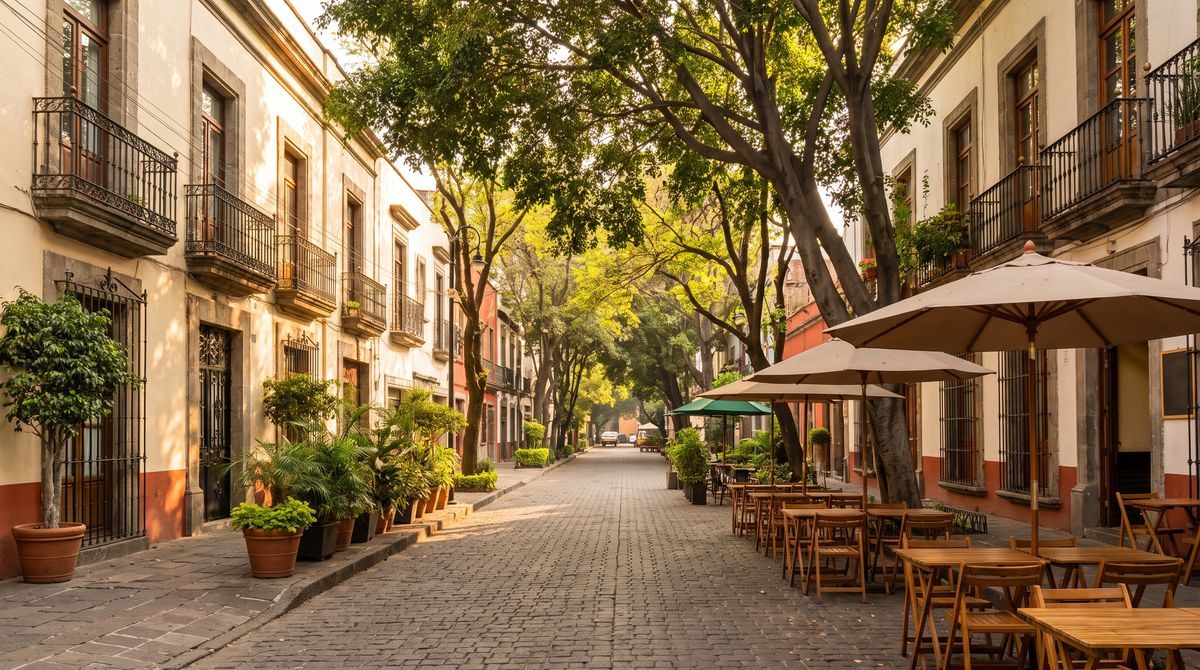
For most tourists, Mexico City is safe if you use normal big-city common sense. The vast majority of visits are trouble-free. Petty theft and scams exist, so stay in central neighborhoods like Roma, Condesa or Polanco, use registered taxis or Uber, and stay alert.
Is Mexico City safe? For visitors who stay in the central neighborhoods and use the same street sense they would bring to any large capital, yes. Millions of people visit each year and go home with nothing worse than a sunburn. The realistic risks are petty and avoidable: pickpocketing on packed metro cars, phone snatching, ATM skimming and the occasional taxi scam.
That does not mean switching off your instincts, and no guide can promise every street at every hour is fine. This one goes neighborhood by neighborhood so you know where to stay in Mexico City, which areas reward a daytime visit and which call for more care after dark, then covers the habits that prevent most trouble. Check your own government's travel advisory before any trip; the US State Department link is in the sources at the end.
Ready to go? Plan and book your Mexico City trip with a specialist who knows the neighborhoods.
Get help choosing where to staySearches and bookings are done through MoreTravel4Less. Opens in a new tab.
Neighborhood by neighborhood
Where you base yourself shapes your whole experience, so this is the part worth reading closely. The good news is that the best neighborhoods in Mexico City for tourists are also among the most comfortable to walk. Here is how the main visitor areas feel, and what each one is good for.
Roma and Condesa
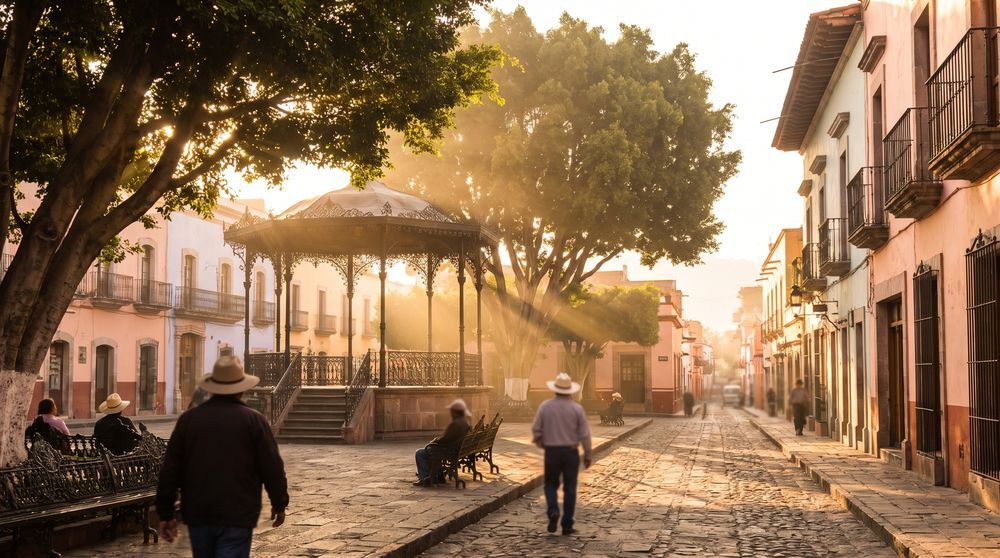
These adjoining neighborhoods are where a lot of first-time visitors choose to stay, and for good reason. Tree-lined streets, independent coffee shops, design stores, parks and a relaxed pace make them easy to settle into. They feel comfortable to walk by day and stay busy into the evening thanks to their restaurants and bars. Use normal caution late at night, keep your phone in your pocket rather than in your hand on the sidewalk, and you will find these among the most pleasant places to be based.
Polanco
Polanco is the capital's upscale district, home to major museums, luxury hotels, high-end shopping and some of the country's best-known restaurants. It is polished, well-kept and generally very comfortable for visitors who want a quieter, more residential base. It sits a little apart from the nightlife energy of Roma and Condesa, which some travelers prefer.
Centro Historico
The historic center is where the city began and where most first visits start, with the Zocalo, the Metropolitan Cathedral, the Templo Mayor ruins and the Palacio de Bellas Artes all within walking distance. It is lively and heavily touristed by day, which also means crowds, and crowds are where pickpockets work. Keep bags zipped and in front of you, stay to the main streets, and be more deliberate about where you wander once shops close and the area empties out in the evening. Many travelers visit the Centro by day and sleep elsewhere.
Coyoacan
South of the center, Coyoacan is a charming, village-like neighborhood of cobbled streets, plazas, markets and the Frida Kahlo Museum. It has a calm, local feel and is a lovely place to spend a day, or to stay if you want something gentler than the central buzz.
Areas to treat with more care
As in any large city, some districts are primarily residential or industrial and simply are not set up for tourists, and a few have a rougher reputation, especially after dark. Neighborhoods like Tepito and Doctores are commonly cited by locals as places casual visitors have little reason to go. The practical rule is simple: stick to the visitor-friendly areas above, avoid wandering into unfamiliar districts late at night, and if a street suddenly feels quiet and off the tourist path, turn back toward the busier blocks. You do not need to memorize a map of no-go zones, you just need to stay where the visitors are.
| Area | Vibe | Good for | Notes |
|---|---|---|---|
| Roma | Hip, walkable, cafe culture | First-timers, food lovers | Comfortable day and evening; normal late-night caution |
| Condesa | Leafy, relaxed, parks | Long stays, slow mornings | Very walkable; busy nightlife on some streets |
| Polanco | Upscale, polished | Museums, luxury, quiet base | Residential feel, a bit removed from nightlife |
| Centro Historico | Grand, historic, crowded | Landmarks and sightseeing | Watch bags in crowds; quieter and emptier at night |
| Coyoacan | Village-like, artsy | Day trips, calmer stays | Local feel; south of the center |
Practical Mexico City travel tips
Beyond choosing the right neighborhood, a handful of everyday habits do most of the work of keeping a trip smooth. None of these are dramatic, they are just the small routines experienced travelers follow without thinking.
Taxis and getting around
Do not flag down random street taxis. Use Uber or another ride-hailing app, or an official sitio taxi booked from a stand or through your hotel. App rides give you a record of the driver and route, which is exactly the reassurance you want. The Metrobus and metro are cheap and efficient, but they get very crowded at rush hour, which is prime pickpocket territory, so keep your bag zipped and your phone put away when you ride.
ATMs and money
Use ATMs inside banks, shopping malls or your hotel rather than isolated machines on the street, where skimming devices are more of a risk. Withdraw during the day, cover the keypad, and carry only the cash and one card you need for the day. Leave spare cards and your passport in the hotel safe. Card payment is widely accepted in restaurants and shops in the tourist areas.
Phones and valuables
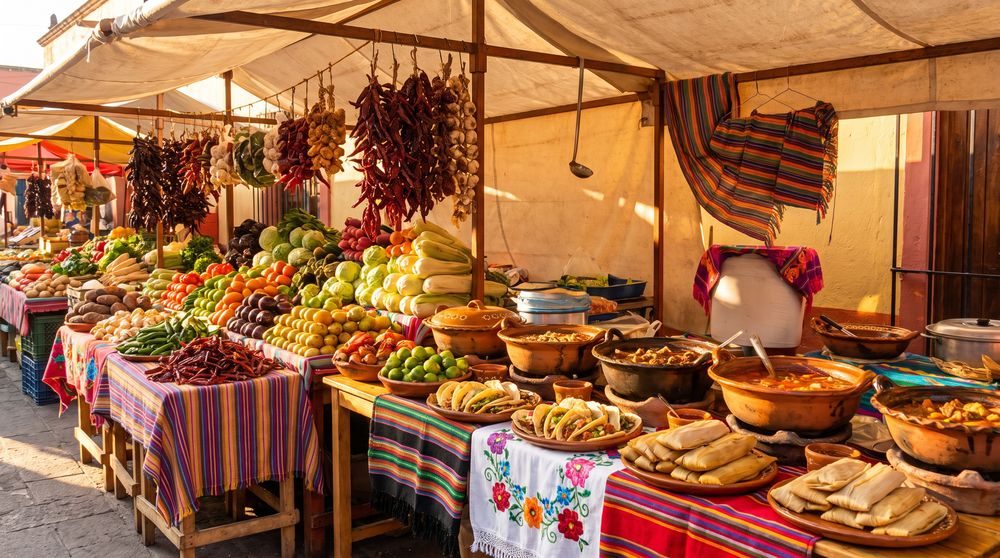
Opportunistic phone snatching is the most common annoyance, so avoid walking down the sidewalk with your phone out or scrolling at a stoplight. Leave expensive jewelry and flashy watches at home, keep your bag in front of you in crowds, and stay aware in busy markets and on packed transport. A small cross-body bag beats a back pocket every time.
Altitude and staying well
Mexico City sits at roughly 7,350 feet, and the altitude is real. Many visitors feel a little short of breath, headachy or tired on the first day. Take it easy at first, drink plenty of water, go easy on alcohol the first night, and give yourself time before any strenuous plans. For water, stick to bottled or filtered water for drinking, which most hotels and restaurants provide, rather than tap.
Common scams to sidestep
The usual ones are minor: overpriced or rigged unofficial taxis, distraction tactics in crowds, and occasional card issues, which is why you keep the taxi app and the in-bank ATM habits above. Agree on plans and prices before you commit, and be politely firm with anyone unusually pushy on the street. Trust your gut. If something feels engineered, walk on.
How does it compare with other Mexican destinations?
Travelers weighing where to stay in Mexico City often ask how the capital stacks up against the rest of the country, and whether other spots count among the safest places in Mexico. Colonial cities are a reassuring point of comparison. If you are wondering is Oaxaca safe, our Oaxaca City guide covers a hugely popular, walkable cultural destination that most visitors find relaxed and welcoming, with the same sensible precautions applying there as anywhere. The Yucatan, with cities like Merida, is frequently described as one of the calmer regions for travelers, and our Merida guide digs into that in detail. The pattern across Mexico is consistent: stay in the visitor-oriented areas, use registered transport, keep your valuables low-key, and check your government travel advisory for current, destination-specific guidance before you go.
Keep these risks in proportion. Mexico City is one of the great capitals of the Americas, packed with world-class museums, food, architecture and neighborhoods you will want to walk for hours. Go in informed, and you will spend far more energy deciding between tacos al pastor and a mezcal bar than you ever will worrying about safety.
Want a smoother trip? A specialist can match you to the right neighborhood and handle the bookings.
Get help choosing where to staySearches and bookings are done through MoreTravel4Less. Opens in a new tab.
Plan the rest of the trip
Common questions
Is it safe to walk around Mexico City at night?
In central, well-populated neighborhoods like Roma, Condesa and Polanco, walking in the evening is common and generally comfortable, especially on busy streets. Use the same caution you would in any big city late at night: stick to well-lit main streets, keep your phone away, and take an Uber or official taxi for longer distances or when an area feels quiet.
Which neighborhoods are best for tourists to stay in?
Roma and Condesa are the popular walkable favorites, Polanco suits travelers wanting an upscale and quieter base, and Coyoacan offers a calmer, village-like feel. The Centro Historico is great for sightseeing but many visitors prefer to sleep in the other areas and visit the center by day.
Is the tap water safe to drink?
Most visitors stick to bottled or filtered water for drinking, which hotels and restaurants widely provide. Using bottled water and ice from reputable places is the simple, standard precaution.
Should I check a travel advisory before going?
Yes. Advisories and local conditions can change, so review your own government's current travel advisory for Mexico City before you book and again close to departure for the most up-to-date guidance.
Plan a Mexico City trip with a specialist
Know it, plan it, book it, with Mexico travel specialists.
Plan your Mexico City tripSearches and bookings are done through MoreTravel4Less. Opens in a new tab.
Mexico is waiting in full color.
Find the destination, hotel, experience, or famous place that turns curiosity into a real itinerary.
Inspiration first. Plan when you are ready.